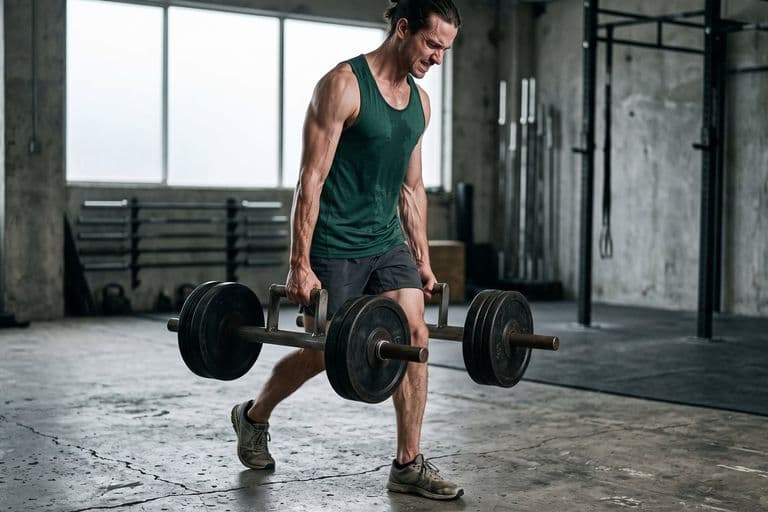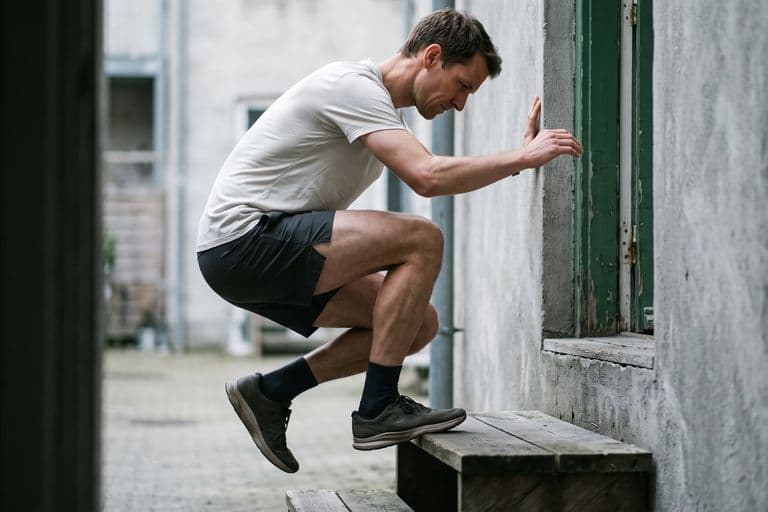
There is a version of an endurance athlete who can run for three hours and cannot carry their own suitcase up a flight of stairs without their heart rate spiking. There is a version of a strong athlete who can deadlift twice their bodyweight and is finished after eight hundred metres. Both are the same story: a body that has been asked to do exactly one thing for a very long time.
What specialisation actually buys
Real performance. If your goal is a marathon time, the fastest route is running a lot and doing very little else. Specialisation is not a mistake; it is a trade. The question is whether you want the thing you are trading away.
What it costs
- Fragility. Tissue that only ever sees one load pattern tolerates a narrow band of stress.
- A narrow ceiling. At some point more of the same stops working, and the next gain has to come from a quality you never trained.
- Real-world uselessness. A fitness that only expresses itself on a flat road in trainers.
The complete athlete is not the best at anything. They are competent at most things, and they are still here in ten years.
What "complete" looks like
Not a decathlete. Something much more ordinary: an athlete who can run a respectable distance, move a meaningful load, hold a position under fatigue, and repeat all three on consecutive days without falling apart.
- Run for an hour comfortably.
- Do a set of full-range pull-ups.
- Squat and hinge with real load.
- Carry something heavy a long way.
- Recover well enough to do it again tomorrow.
That list is not impressive to a specialist in any one of those areas. It is also a description of a body that works.
What it costs your running
Less than you fear. Two strength sessions a week and occasional work outside your discipline costs a small amount of running volume and, for most amateur runners, returns more than it takes. The athletes for whom this trade is genuinely bad are the ones at the very top of their sport — and they mostly do the strength work anyway.
Where to start
Find out where you actually are. Pick the quality you are furthest from and spend eight weeks on it. For most endurance athletes, that is upper-body strength, and it is uncomfortable to confront precisely because it has been avoided for years.