Strength
Why Runners Should Strength Train
Lifting will not make you slow or bulky. Done properly, it makes you more resistant to injury, more economical at pace, and more able to hold form when you are tired.
Lifting for runners: what to do, how often, and why it makes you faster rather than heavier.
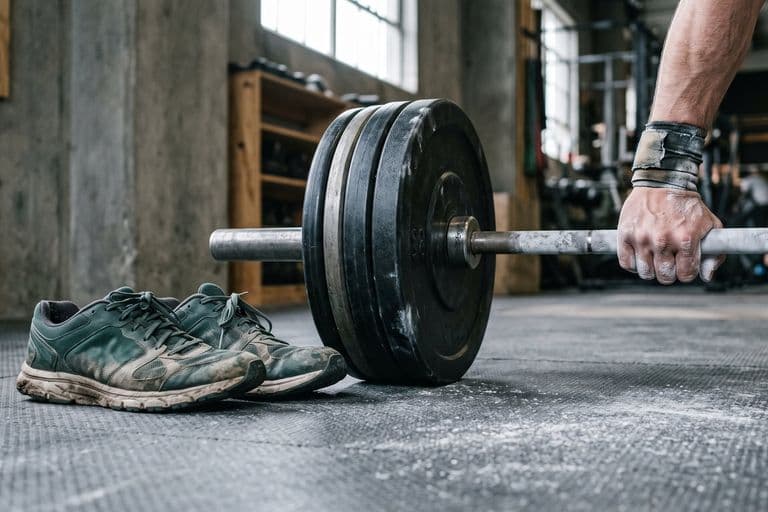
Most runners who avoid the gym do so for one of two reasons: they think it will make them slow and heavy, or they have no idea what to do once they are in there. Neither is a good reason. This section is about strength work that serves running — a small number of movements, done well, often enough to matter.
Lifting will not make you slow or bulky. Done properly, it makes you more resistant to injury, more economical at pace, and more able to hold form when you are tired.
Five tests that tell you whether your strength work is actually working. Not a competition — a baseline you can re-test in twelve weeks.
Two sessions a week, most weeks, is the honest answer for most runners. Here is how that changes across a season — and what to do when the running block gets heavy.
Most runners do not need to be more flexible. They need specific ranges of motion they can control under load — which is a different thing, and takes about ten minutes.